Animating Factories Through CAD-Driven Visual Storytelling Solutions
The moment a factory design comes alive on screen, understanding replaces confusion. Complex layouts suddenly make sense. This article explores how advanced animation techniques transform industrial communication. The focus stays on how digital visualization supports factories, improves decision-making, and simplifies technical storytelling. The main argument is simple.
Visualizing Industrial Concepts with Precision
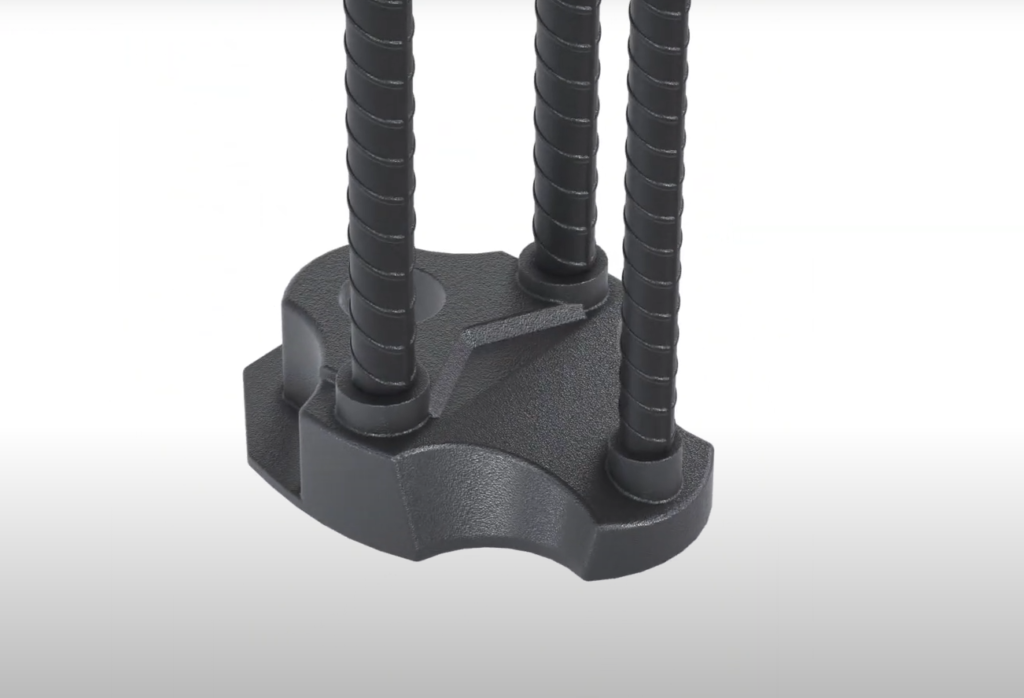
Modern factories operate with layers of mechanical complexity that static drawings fail to explain properly. This is where CAD model animation for factories becomes essential in industrial communication strategies. Animated CAD visuals help stakeholders see workflows, machine movement, and spatial relationships clearly. Engineers, investors, and operators align faster. Decisions feel confident.
Bridging Design and Manufacturing Gaps
Factory planning often suffers when design intent is lost between teams. Animated models close this gap smoothly. When CAD model animation for factories is applied during early design reviews, errors surface early. That matters. Designers explain intent visually instead of verbally. Manufacturers understand constraints better. Collaboration improves naturally, even across borders, making projects move forward with less friction.
Machinery Animation Enhancing Technical Clarity
Explaining how machines function internally is not easy using manuals alone. Factory machinery animation services allow internal components, motion paths, and sequences to be shown clearly. This improves training, marketing, and compliance communication. The visuals feel realistic yet simplified. Technical audiences appreciate accuracy, while non-technical viewers finally understand what happens inside complex machinery systems.
Improving Sales and Stakeholder Confidence
Sales presentations for industrial solutions often struggle to hold attention. Animated machinery visuals change that dynamic instantly. With Factory machinery animation services, sales teams demonstrate value instead of describing it. Prospects see performance, safety, and efficiency in motion. Trust increases. Decisions accelerate. Sometimes, seeing is the only convincing language in high-investment factory environments.
Digital Twins Supporting Operational Efficiency
Animation is no longer just for marketing purposes. Factories now use animated models as operational references. Digital twins powered by animation help simulate changes before implementation. This reduces downtime risks. It also supports maintenance planning and safety training. Mistakes become simulations, not disasters. Smart factories rely on this visual foresight more than ever.
Future Focused Factory Communication Tools
As automation increases, communication tools must evolve alongside machinery. Animated CAD and machinery visuals are becoming standard, not optional. They support global collaboration, remote training, and digital documentation. The future factory speaks visually. Quickly. Clearly. Technical complexity keeps growing, but understanding does not have to suffer when the right animation approach is applied thoughtfully.
Conclusion
Factory animation has moved from visual luxury to operational necessity. CAD-driven visuals and machinery animations now support planning, training, sales, and long-term efficiency across industries. nexximage.com Organizations seeking clarity in complex factory environments benefit from professional animation solutions that translate engineering intent into understandable visuals.
.png)

Comments
Post a Comment